
The short answer: The 9th Edition of the Florida Building Code takes effect statewide on December 31, 2026, replacing the 8th Edition that has been in force since the end of 2023. In general, the code edition that governs your project is tied to when your permit application is submitted and processed. If you are planning a custom home or a major renovation in Stuart, Palm City or anywhere in Martin County, the next 90 days are the time to talk with your builder about which edition your project will fall under and whether that changes your design.
What is changing, and when
Florida updates its statewide building code on a three-year cycle. The 8th Edition (2023) took effect on December 31, 2023. The 9th Edition (2026) is scheduled to take effect on December 31, 2026, with no phase-in period.
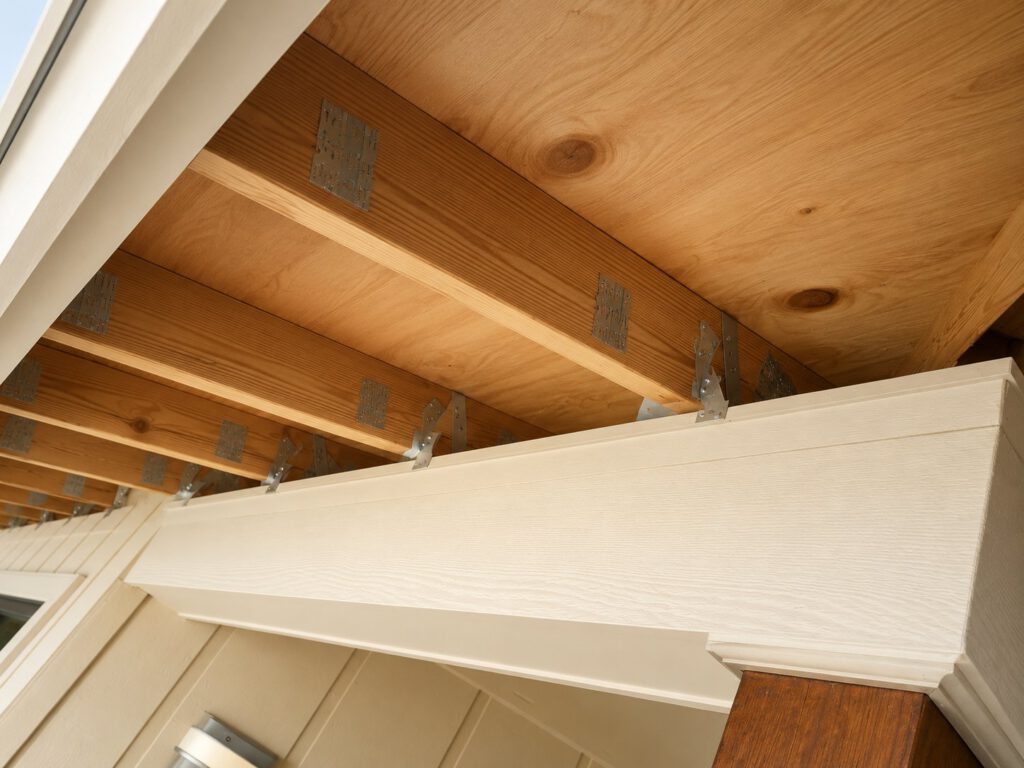
The new edition draws on the 2024 International Codes and brings updated wind-load provisions and redrawn wind speed maps. For those of us building on the Treasure Coast, wind design is not a footnote. It shapes how a home is anchored, how the roof is attached, and which windows and doors qualify for your address. When the calculations change, cladding, connections and product approvals get a fresh look.
The final adopted text is what matters, and details can shift until it publishes. Treat anything you read about specific 9th Edition requirements, including this article, as a reason to ask your design team for a code review of your plans, not as the last word.
Which code applies to your project?
Permits applied for and issued under the 8th Edition generally stay under the 8th Edition for the life of that permit. Applications reviewed on or after December 31, 2026 are generally reviewed under the 9th Edition.
Two details trip people up:
- Submitting is not the same as being permit-ready. An application full of open review comments is not a head start. Plans need to be complete enough to clear review.
- Applications can expire. A permit application that stalls can be deemed abandoned, and a new submittal may land under the new edition.
Also confirm who your building department is. Unincorporated areas such as Palm City, Hobe Sound, Jensen Beach, Port Salerno and the Martin County portion of Hutchinson Island are permitted through Martin County. The City of Stuart and incorporated towns such as Sewall’s Point and Jupiter Island run their own permitting, and each office will set its own intake expectations around the transition.
What we recommend, based on where you are
If your design is finished or nearly finished: Ask your builder whether the plans can be complete, engineered and submitted with enough time to clear review comments before the year ends. Do not drop plans off on December 30 and hope. Building departments get busy ahead of every code change.
If you are early in design: Design to the 9th Edition from the start. Redesigning later costs more than designing once, and a home built to the newer standard is not a disadvantage.
If you are planning a renovation: Code changes affect renovations too, especially window and door replacements, roofing and any structural work. If your home is in a flood zone, read our guide to the 50% rule before you finalize scope.
What we do not recommend: Rushing an unfinished design to beat a deadline. In our experience, a hurried set of plans produces change orders later, and change orders are where budgets go to die.
Why budget clarity matters more during a code transition
Years ago, a homeowner came to us holding a beautiful set of plans and a heavy heart. The design was a $900,000 build. Her budget was $600,000. No one had asked her what she could spend.
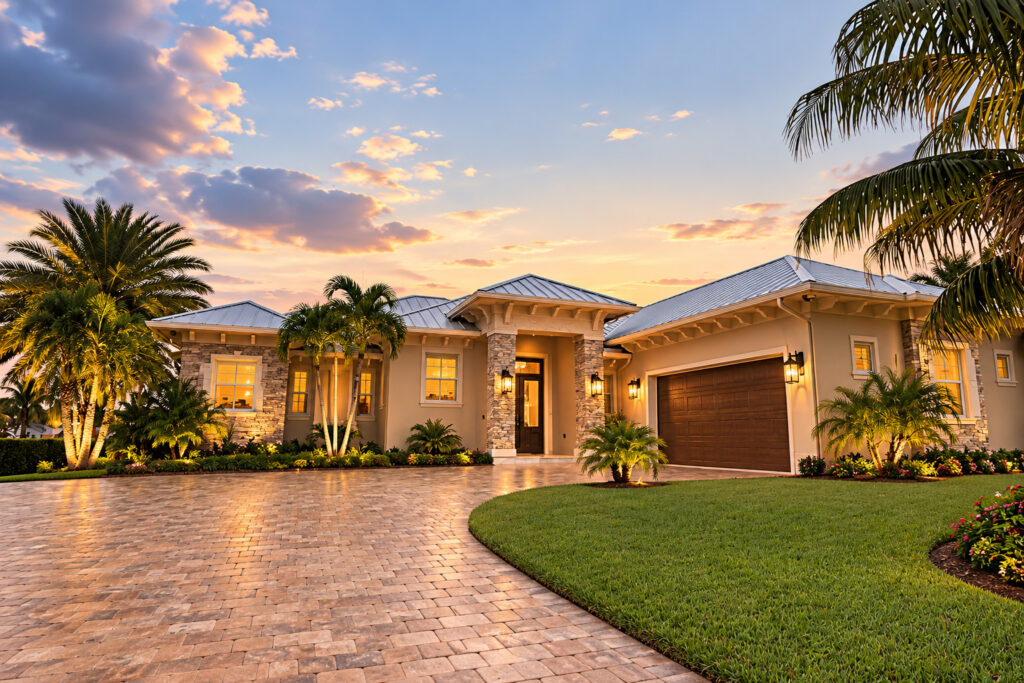
That story is why our design/build process puts your budget in the room from day one, and it is especially relevant now. A code change can move the price of windows, doors, roofing and structural connections. We lock what we call the Big Five selections early (cabinetry, flooring, lighting, appliances and plumbing) so pricing is accurate before permits, and we price against the code edition your permit will actually fall under.
Five questions to ask your builder this fall
- Which code edition will my permit fall under, and what date are we working back from?
- Has an engineer reviewed my plans against the new wind provisions?
- Which of my window, door and roofing selections need new product approvals?
- If we miss the submittal window, what changes in my design and my budget?
- Who at your company is responsible for tracking my permit through review?
A builder who answers those clearly is a builder who will keep you informed during construction too.
Frequently asked questions
When does the 2026 Florida Building Code take effect?
The 9th Edition takes effect statewide on December 31, 2026. The 8th Edition (2023) remains in force until then.
If I submit my permit before December 31, 2026, am I under the old code?
Generally, yes. Permits applied for and issued under the 8th Edition stay under it for the life of the permit. Confirm with your building department and your builder, since an incomplete or abandoned application may not hold its place.
Will the new code make my custom home more expensive?
It can affect specific line items such as windows, doors, roofing and structural connections. The overall effect depends on your design and location. A builder should be able to show you where the changes land in your budget.
Does the new code apply to renovations?
Yes. Alterations, additions and replacements are permitted under the code in effect when you apply.
Should I rush my design to beat the deadline?
Only if your design is genuinely ready. An unfinished design submitted early usually costs more in revisions than it saves.
Planning a home in Martin County?
Masterpiece Design/Build has designed and built custom homes and whole-home renovations on the Treasure Coast since 1988, with more than 1,000 projects completed under one roof. If you want to know how the code change affects your plans, book a consultation and bring your drawings. We will tell you plainly where you stand.